Are you wondering what all the recent buzz about millets is? Or have you seen packets of millets – jowar, sama rice, ragi etc online and in supermarkets and are unsure about how to use them?
The superior nutrition, ease on digestion, easy growing and organic availability make millets attractive alternates to wheat and rice which have become our staples today. Read all about millets in this article and start diversifying your diet from plain old rice and wheat.
Join our upcoming LIVE Workshop – Millet Cooking For Summers
There are many varieties of millets but only a few are commonly used. Based on the grain size, millets can be again classified as major millets (Sorghum and pearl millet) and small millets (of which Ragi is the most common).
There are two varieties of major millets:
Sorghum – Commonly known as Jowar, Chola or Jola.
Pearl millet – Commonly known as Bajra, Kambu or Sajje.
Small millets also have their own names.
Irrespective of the size, you can learn to make them into super nutritious and tasty recipes.
The table below lists the common millets and their names in different Indian languages.
Table: Indian vernacular names of small millets (Source: vikaspedia.in)
| English | Hindi | Sanskrit | Kannada | Tamil | Telugu | Malayalam | Marathi | Gujarati | Bengali | Oriya | Punjabi | Kashmiri |
|---|---|---|---|---|---|---|---|---|---|---|---|---|
| Finger millet | Mandua | Nandimukhi, Madhuli | Ragi | Kelvaragu | Ragulu | Moothari | Nachni | Nagli, Bavto | Mandua | Mandia | Mandhuka, Mandhal | – |
| Little millet | Kutki | – | Same | Samai | Samalu | Chama | Sava | Gajro, Kuri | Kangani | Suan | Swank | Ganuhaar |
| Kodo millet | Kodon | Kodara | Harka | Varagu | Arikelu, Arika | Varagu | Kodra | Kodra | Kodo | Kodua | Kodra | Shol |
| Foxtail / Italian millet | Kangni, Kakum | Kanguni | Navane | Tenai | Korra, Korralu | Thina | Kang, Rala | Kang | Kaon | Kanghu, Kora | Kangni | – |
| Barnyard millet | Sanwa, Jhangon | Shyama | Oodalu | Kuthiravaali | Udalu | – | Shamul | Sama | Shamula | Khira | Swank | Pingu |
| Proso millet | Barre | Chiná | Baragu | Panivarag | Kodisama, Varigulu, Varagalu | Panivaragu | Vari | Cheno | Cheena | Chinna | Cheena | – |
Also known as vrat ke chawal, commonly eaten during Navratri fasting.
Millet is a staple food for a third of the world’s population. India is the largest producer of millets in the world accounting for nearly 40% of the world’s production.
Bajra, Jowar and Ragi are the most commonly used millets. These are naked grains, i.e. do not have a husk layer and don’t need processing. The other millets have a hard cellulosic husk layer that humans cannot digest. So as part of processing, the husk needs to be removed.
Pearl millet or Bajra is the most widely grown millet in India. It has almost 8 times the iron content found in polished rice.
Ragi is one of the best non-dairy sources of calcium (3 times as much as dairy) when compared to any other grains. Ragi porridge is traditionally given to young infants and children due to its easy digestibility and superior nutrition. It is one of the first solid foods a baby is introduced to. You can find the recipe of ragi malt or porridge here.
Each state has their own unique cuisine using millets – eg: Ragi mudde, Jowar roti, Bajra rotla, kambu dosa etc.
You can get creative and learn to incorporate millets into various recipes.
In India, 60 years ago, 40% of all cereal cultivated was millets. Now, just around 11% of cultivated area of cereals in millets. Millets were taken over by their upstart cousins – wheat and rice. Why did this happen?
In the 1960s, 1970s, the Indian government started the green revolution to convert the country’s traditional agricultural practices to an industrial system, by adopting modern methods and technology such as high-yielding variety seeds, tractors, irrigation facilities, pesticides, fertilizers etc. The government decided to pursue green revolution as a response to a perceived crisis in food production due to growing population, famines, colonial mismanagement and poor agricultural sector practices. The intention was to achieve self-sufficiency in grain production and improve malnutrition. Due to misguided policies, push by foreign MNCs and agricultural companies, the government was providing input subsidies including the seeds to grow wheat and was buying back the crop under a guaranteed price. Farmers were persuaded to ditch traditional crops like millets grown using organic farming to high yielding varieties of rice and wheat cultivated using hybrid seeds. Lured by these subsidies, farmers started switching from traditional crops like maize, rice, pulses and oil seeds to high yielding rice and wheat cultivation. Now, India is second in the world in wheat production and first in the production of rice. Millets lost out to wheat and rice which became the staple of the growing population.
Subsidized rice and wheat were sold through the public distribution system. Millets, unfortunately, came to be known as a poor man’s staple and as animal feed or was used for making alcohol. Millets were relegated to a food consumed only during fasts or vrats (religious fasting). The systematic neglect of millets has led to these grains almost disappearing from our plates.
Here’s how you can bring millets back into your plates!
In recent times, millet cultivation has seen a revival and is now available in many retail and online shops. It is now a common shopping item for many aware consumers. The government, health practitioners and even farmers are now pushing for millets. In fact, the Indian government has declared 2018 as the National Year of Millets and is publicizing millets as good for health and good for farmers too.
What has changed?
The revived knowledge of their superior nutritional profile, easy digestibility, anti-allergenic properties, easy growing and harvesting, availability in organic and least polished forms has led to a surge in their revival. They are now viewed as a health food and being increasingly adopted by urban consumers who are seeking a staple food which is easy on digestion, good for the heart and does not spike sugar levels of the blood and is also good for the environment. Fortunately, millets meet all these criteria.
Millets are three to five times more nutritious than wheat and rice.
Millets have protein content higher than both wheat and rice.
Millet grains are also rich in important vitamins viz., thiamine, riboflavin, folin and niacin.
They are anti allergenic as they are gluten free and also easy to digest. So they are great for those suffering from allergies or intolerances.
Unlike other grains like wheat and rice, millets are less acidic in nature.
They are small in size, difficult to polish and hence mostly available in whole, unpolished forms.
They are hardy and pest resistant, so available in organic form. They don’t need to be sprayed with chemicals during storage as they are not affected much by pests.
They are lighter to digest compared to wheat.
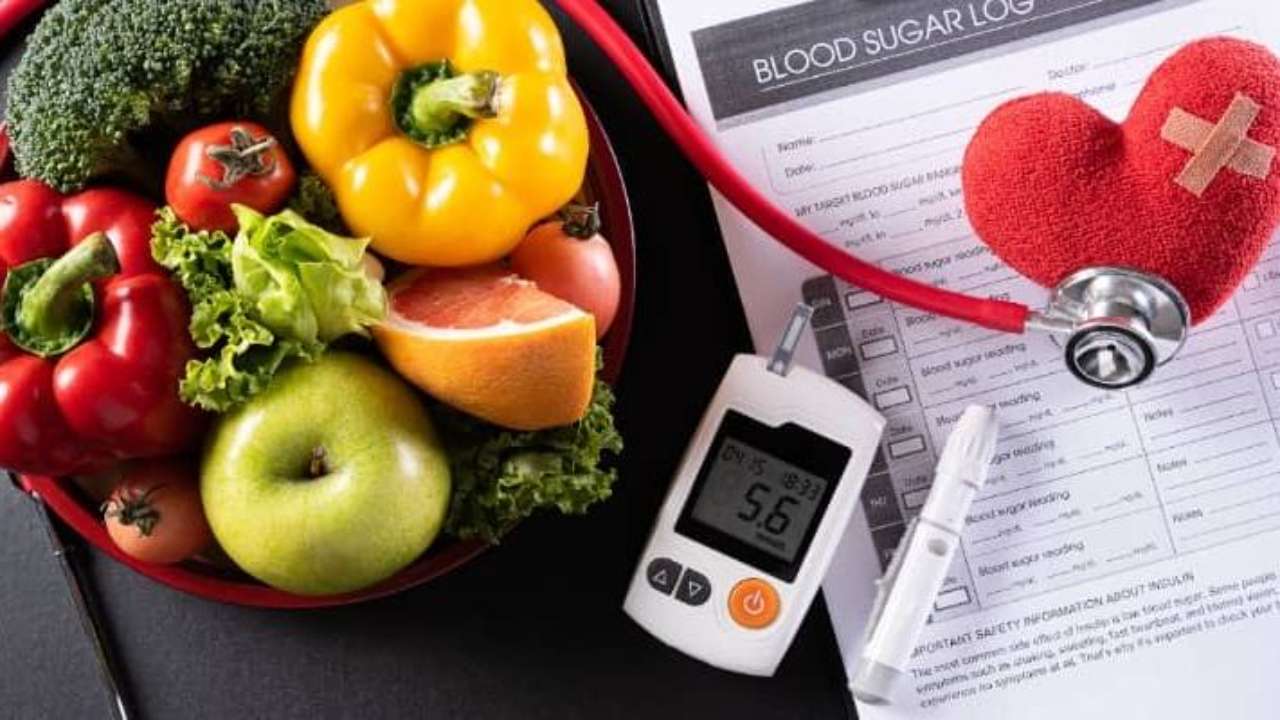
They are high in fibre, so release sugar more slowly compared to wheat or rice. They are a great dietary addition to those complaining of sugar imbalance or diabetes. You can read Pallavi Upadhyaya’s experience of managing gestational diabetes without medicines, through millets.
Being fibre rich, they can keep you satiated for longer, so you have more stamina during periods of intense activity.
Their wide variety, different tastes and textures lend themselves to a great possibility of dishes.
By using the right cooking techniques and recipes, millets can be made super delicious- making them easier to incorporate into you daily eating.
In addition to health benefits, growing millets is good for the environment, profitable for the farmers and also takes care of the country’s food security.
They have short growth periods – typically can be harvested in 45 to 60 days time.
They adapt and grow well in semi arid, high temperature and dry conditions, so need of water is very less and can be grown as rain fed crops.
They are pest resistant hardy crops and need no fertilizers. They can be easily grown using organic farming.
They can grow in a wide variety of climates – from hilly regions to coastal areas.
They grow well even in less fertile soils like saline and acidic soils.
Millets can be intercropped with maize and broad beans which offer food and livelihood security to farmers.
Because of their strong nutritional profile, they have a very promising potential in combating malnutrition in our country.
They are climate change resistant as they adapt well to changing climatic conditions.
By diversifying your diet from wheat and rice to include millets, you are not only improving your health but also contributing to the nation’s food security and supporting your local farmer.
Farmers find it easy to grow millets. Since the needs on water, soil, fertilizers are less, the need for investment is less. The seeds can be just be broadcasted and the crop is ready to harvest in 3 months, They just need 2-3 timely rains and will yield a good harvest.
Now that you know a lot about millets, it is time to diversify your diet. You can start by replacing 50% of your daily consumption of wheat and rice with millets. Many dishes traditionally made with wheat and rice can be made with millets too and taste great. Everyone can consume millets – from babies to the elderly. Millets are so versatile that they can be used for all kinds of recipes from cakes, rotis to kheer and salads.
However, some things to keep in mind –
Make sure to buy unpolished millets – i.e. in their whole form.
Though millets have many health benefits, make sure that your diet is high in our primary food – fruits and vegetables. Aim to have a wide variety of foods in your diet rather than make it millet or grain heavy.
When you are sick i.e suffering from cold, cough or fever, it is better to stick to fruits as per the dictates of hunger. During an illness or disease, the body’s acid-alkaline balance is out of whack and the body is working hard to restore it. If you do choose to have grains during this period, make an informed choice and use millets as they are easier to digest and are less acidic than rice and wheat. You can read more about this by going through the articles on acid-alkaline balance and Understanding body symptoms.
There are many off the shelf millet based products available in shops nowadays like millet noodles, millet biscuits, rotis, chaklis etc. It is good to be aware that although these are made with millets, the addition of preservatives, oils, excess salt, sugar etc make them unhealthy. Delicious healthy dishes can be easily prepared at home by heading over to our recipes section.
Millets can be cooked like rice, wash well and boil them in an open pan. They do require more water compared to ordinary rice, 2.5 – 3 times depending on the millets being used.
Millets can be used to make traditional dishes like upma, idli, dosa and can even be used in salads.
Millet flours can be used for making all dishes like rotis, breads and cakes too.
Do you have a sweet tooth? – Try the dairy free kheer with sama rice (barnyard millet).
Want to introduce kids to millets early on? – Try ragi malt for babies.
Are you game to try out a non rice dosa? – Try kambu dosa.
Join the online course on Healthy Millet Cooking for everyday millet recipes.
ENROLL NOW
Indian Institute of millets research – Nutritional and health benefits of Millets – http://millets.res.in/
http://vikaspedia.in/health/nutrition/nutritive-value-of-foods/nutritive-value-of-cereals-and-millets/small-millets-not-2018small2019-in-nutrition – Small millets, Not small in nutrition
TAGS
Loading coupons...