The number of gluten-free products is steadily increasing in the market today. You may be wondering what is gluten, is it harmful and if so, how to make a shift. This article aims to address these concerns so you can make an informed choice.
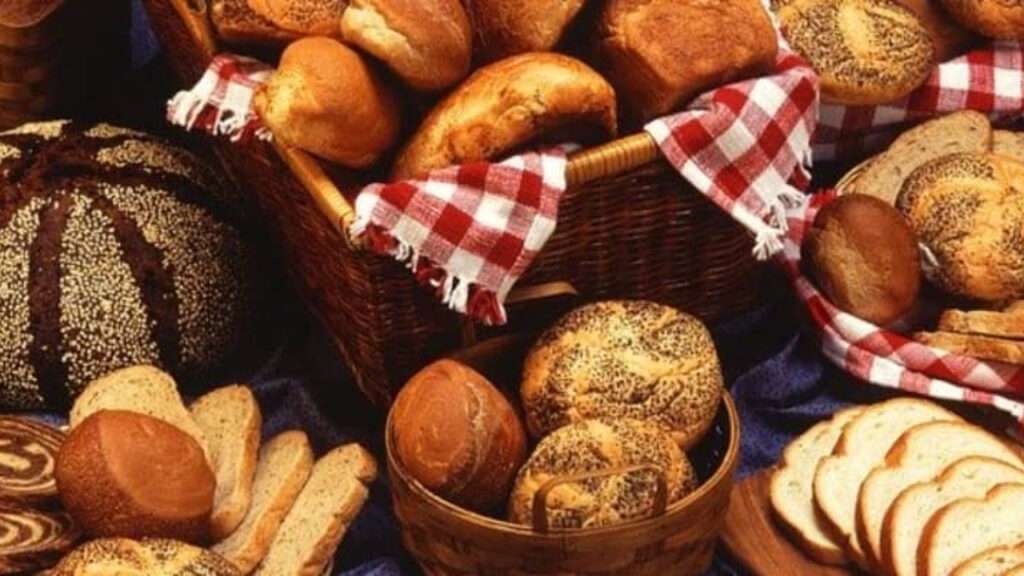
Found in grains such as wheat, spelt, rye and barley, gluten gets its name from the Latin word glue. Gluten is a protein mix made of 2 main proteins: glutenin and gliadin. Gliadin is responsible for the rising of dough and glutenin gives it the elasticity.
A grain mainly consists of 3 parts: bran, endosperm and germ. The endosperm is the starchy, energy sources of the grain rich in protein, vitamins and starch. When flours of grains which contain glutenin and gliadin are hydrated and kneaded, gluten is formed. Gluten is glue-like and imparts a smooth, chewy, elastic structure to the end product.
You can know if a product contains gluten by looking at the ingredients label on a product.
The advancements in agricultural technology have dramatically changed the quality of wheat available in the present scenario compared to the older strains of wheat. Today’s wheat plant is a semi-dwarf, high yielding type of plant. Wheat is hybridized and crossbred to make the plant resistant to environmental conditions. This hybridization increases the quantity of gluten and starch levels which is helpful in creating fluffier breads, with chewier texture and better taste – all-important for selling commercialised packaged products. However, due to this change in the structure of the grain as compared to what nature produced, our bodies have been unable to adapt to the new higher starch and protein content. This is the reason why gluten leads to all kinds of health issues like bloating, poor digestion, increased insulin levels, overeating, weight gain and inflammation. The pasty structure of products containing high gluten stick to the intestinal walls. This results in lower absorption of nutrients from other foods, constipation and other problems. The higher starch and protein content artificially stimulate the taste buds creating an addictive taste that causes overeating and weight gain. Even if one doesn’t experience any of these issues in the short term, wheat is a drain on the body’s vitality as the body has to work harder to break it down. As per Nature Cure, conservation of vitality is key to an energetic and disease-free life.
Another reason that the wheat we eat today is harmful to health is because of its processing method. In ancient times, organic farming was the norm. Wheat flour was produced by crushing the grains using 2 large stones. This natural processing of wheat retained its nutritive value. But in modern times, steel roller mills are being used. Even though they work faster, they end up removing bran and germ; thus compromising on wheat’s nutritive value.
Wheat (which is the dominant grain containing high gluten) is often grown in large tracts as a single crop due to its high demand. The crop is heavily sprayed with pesticides, stored in huge godowns and fumigated to prevent attack by pests. These chemicals find their way into our body when we consume wheat and create a toxic load. They can also create symptoms similar to that of gluten allergy.
Each human body is different. It responds to food items in different ways. What might be easily accepted/digested by your body, might not be accepted by another person. There are a variety of people who respond to gluten differently. Their bodies sense it equivalent to toxins. Wheat, being the prominent source of gluten in the human diet, is mainly discussed when talking about gluten.
When a person has a gluten allergy, he can experience the following:
It is always a good practice to diversify your food plate so that you add more nutrients in your diet. Instead of the predominant wheat diet, boost your health by trying other alternatives.
There are many gluten-free products flooding the market today. Be aware that many of these contain excess fats, sugar, salt and chemical additives to make them tastier and compete with the traditional wheat products. It is always advisable to check the label before buying.
Gluten is present in substantial amounts in the processed foods available in the market today. It is also being consumed frequently in-home meals since wheat is a staple food, particularly in North India. Since today’s wheat is hybridized to contain more gluten, exposed to more chemicals than before and low in nutritive value due to commercialised processing, it is preferable to reduce its consumption. Include more varieties of whole grains instead and create healthier versions of food items that we are habituated to.
Let us know in the comment section, what new grain are you trying in place of wheat today?
TAGS
The number of gluten-free products is steadily increasing in the market today. You may be wondering what is gluten, is it harmful and if so, how to make a shift. This article aims to address these concerns so you can make an informed choice.
Found in grains such as wheat, spelt, rye and barley, gluten gets its name from the Latin word glue. Gluten is a protein mix made of 2 main proteins: glutenin and gliadin. Gliadin is responsible for the rising of dough and glutenin gives it the elasticity.
A grain mainly consists of 3 parts: bran, endosperm and germ. The endosperm is the starchy, energy sources of the grain rich in protein, vitamins and starch. When flours of grains which contain glutenin and gliadin are hydrated and kneaded, gluten is formed. Gluten is glue-like and imparts a smooth, chewy, elastic structure to the end product.
You can know if a product contains gluten by looking at the ingredients label on a product.
The advancements in agricultural technology have dramatically changed the quality of wheat available in the present scenario compared to the older strains of wheat. Today’s wheat plant is a semi-dwarf, high yielding type of plant. Wheat is hybridized and crossbred to make the plant resistant to environmental conditions. This hybridization increases the quantity of gluten and starch levels which is helpful in creating fluffier breads, with chewier texture and better taste – all-important for selling commercialised packaged products. However, due to this change in the structure of the grain as compared to what nature produced, our bodies have been unable to adapt to the new higher starch and protein content. This is the reason why gluten leads to all kinds of health issues like bloating, poor digestion, increased insulin levels, overeating, weight gain and inflammation. The pasty structure of products containing high gluten stick to the intestinal walls. This results in lower absorption of nutrients from other foods, constipation and other problems. The higher starch and protein content artificially stimulate the taste buds creating an addictive taste that causes overeating and weight gain. Even if one doesn’t experience any of these issues in the short term, wheat is a drain on the body’s vitality as the body has to work harder to break it down. As per Nature Cure, conservation of vitality is key to an energetic and disease-free life.
Another reason that the wheat we eat today is harmful to health is because of its processing method. In ancient times, organic farming was the norm. Wheat flour was produced by crushing the grains using 2 large stones. This natural processing of wheat retained its nutritive value. But in modern times, steel roller mills are being used. Even though they work faster, they end up removing bran and germ; thus compromising on wheat’s nutritive value.
Wheat (which is the dominant grain containing high gluten) is often grown in large tracts as a single crop due to its high demand. The crop is heavily sprayed with pesticides, stored in huge godowns and fumigated to prevent attack by pests. These chemicals find their way into our body when we consume wheat and create a toxic load. They can also create symptoms similar to that of gluten allergy.
Each human body is different. It responds to food items in different ways. What might be easily accepted/digested by your body, might not be accepted by another person. There are a variety of people who respond to gluten differently. Their bodies sense it equivalent to toxins. Wheat, being the prominent source of gluten in the human diet, is mainly discussed when talking about gluten.
When a person has a gluten allergy, he can experience the following:
It is always a good practice to diversify your food plate so that you add more nutrients in your diet. Instead of the predominant wheat diet, boost your health by trying other alternatives.
There are many gluten-free products flooding the market today. Be aware that many of these contain excess fats, sugar, salt and chemical additives to make them tastier and compete with the traditional wheat products. It is always advisable to check the label before buying.
Gluten is present in substantial amounts in the processed foods available in the market today. It is also being consumed frequently in-home meals since wheat is a staple food, particularly in North India. Since today’s wheat is hybridized to contain more gluten, exposed to more chemicals than before and low in nutritive value due to commercialised processing, it is preferable to reduce its consumption. Include more varieties of whole grains instead and create healthier versions of food items that we are habituated to.
Let us know in the comment section, what new grain are you trying in place of wheat today?
TAGS
Added to cart
Check out our shop to see what's available
Loading coupons...