From the first week of pregnancy to the last day when your baby is about to be born, why is there a constant check on haemoglobin? Why is there a need to keep haemoglobin in an adequate range?
Iron in pregnancy is an important mineral. Iron is essential for blood production and oxygen transport in the body. Maintaining adequate iron levels supports the health and development of both mother and baby.
Even before pregnancy, iron plays an important role in supporting overall health and a healthy pregnancy.
Iron is an essential element for blood production. A large proportion of the body’s iron is found in haemoglobin in red blood cells and myoglobin in muscle cells.
Haemoglobin is essential for transporting oxygen from the lungs to tissues throughout the body. Iron deficiency can therefore affect oxygen transport and overall health.
Women and infants are among the groups that are vulnerable to low haemoglobin levels. Maintaining adequate iron intake is therefore important during pregnancy.
Low haemoglobin and iron deficiency can be associated with tiredness, weakness and other pregnancy-related complications. Adequate nutrition during pregnancy is important for supporting healthy growth and development.
A nutrient-rich diet can help provide iron along with other nutrients required during pregnancy.
Including a variety of whole, plant-based foods can contribute to a balanced and nutritious pregnancy diet.
Vitamin C can help improve the absorption of non-heme iron from plant foods.
For example, pulses and legumes can be sprouted and combined with lemon in a sprouts salad. Adding a vitamin C-rich food such as lemon can help increase iron absorption.
Including a variety of plant-based foods in your meals can therefore help provide iron along with other essential nutrients.
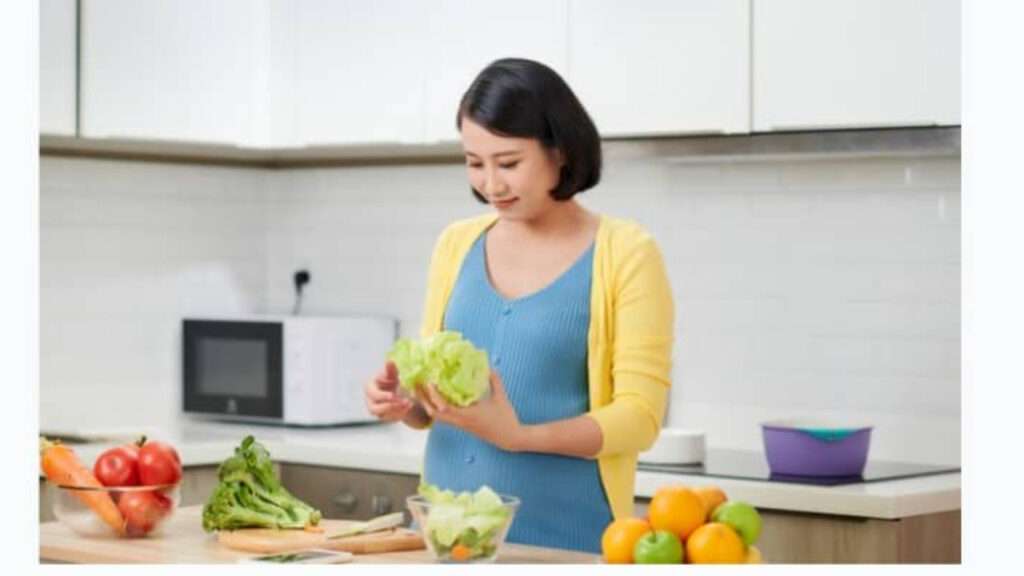
During pregnancy, focus on a varied and balanced diet containing leafy vegetables, vegetables, fruits, nuts, seeds, pulses, legumes and whole grains.
If you are pregnant or planning pregnancy and have low haemoglobin or iron levels, discuss your individual iron requirements and any supplements with your healthcare professional.
Wishing you a healthy conception and pregnancy.
TAGS
From the first week of pregnancy to the last day when your baby is about to be born, why is there a constant check on haemoglobin? Why is there a need to keep haemoglobin in an adequate range?
Iron in pregnancy is an important mineral. Iron is essential for blood production and oxygen transport in the body. Maintaining adequate iron levels supports the health and development of both mother and baby.
Even before pregnancy, iron plays an important role in supporting overall health and a healthy pregnancy.
Iron is an essential element for blood production. A large proportion of the body’s iron is found in haemoglobin in red blood cells and myoglobin in muscle cells.
Haemoglobin is essential for transporting oxygen from the lungs to tissues throughout the body. Iron deficiency can therefore affect oxygen transport and overall health.
Women and infants are among the groups that are vulnerable to low haemoglobin levels. Maintaining adequate iron intake is therefore important during pregnancy.
Low haemoglobin and iron deficiency can be associated with tiredness, weakness and other pregnancy-related complications. Adequate nutrition during pregnancy is important for supporting healthy growth and development.
A nutrient-rich diet can help provide iron along with other nutrients required during pregnancy.
Including a variety of whole, plant-based foods can contribute to a balanced and nutritious pregnancy diet.
Vitamin C can help improve the absorption of non-heme iron from plant foods.
For example, pulses and legumes can be sprouted and combined with lemon in a sprouts salad. Adding a vitamin C-rich food such as lemon can help increase iron absorption.
Including a variety of plant-based foods in your meals can therefore help provide iron along with other essential nutrients.
During pregnancy, focus on a varied and balanced diet containing leafy vegetables, vegetables, fruits, nuts, seeds, pulses, legumes and whole grains.
If you are pregnant or planning pregnancy and have low haemoglobin or iron levels, discuss your individual iron requirements and any supplements with your healthcare professional.
Wishing you a healthy conception and pregnancy.
TAGS
Added to cart
Check out our shop to see what's available
Loading coupons...