Use Less Salt; Be Kind to Yourself

Excess salt intake is discussed in this article in relation to blood pressure, digestion, fluid retention, skin health and overall wellbeing. It encourages reducing salt consumption and making a conscious choice between taste and health.
Author Name: Wellcure

USE LESS SALT; BE KIND TO YOURSELF.

What does excess salt do?

Almost everyone has seen someone who is a salt ‘DRUNKARD’.EGON V ULLMANN, M.D.
in a classic article declared that ”like nicotine, alcohol, coffee, tea and opiates, salt leads to a craving and a large no. people do not want to eat even sweet fruits, coffee tea or chocolates without it.” The food industry knows this craving for salt and has brought out many food items, dishes accordingly.

image

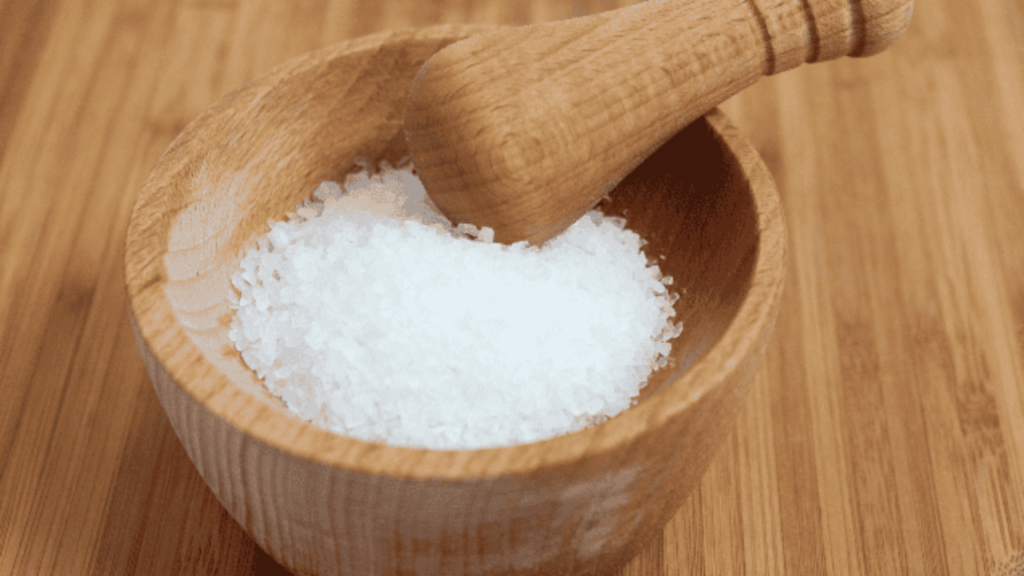
Adults normally need only half a gram of salt a day. However, most people consume 10-15 grams of it and much of it is already incorporated in the foods we consume.
”People who consume from 15 to 25 grams of salt per day accumulate, in spite of elimination through the urine, so much salt in their tissues that they can be looked upon as’ ‘LIVING PICKLES’.

Why should we use less salt?

One gram of salt, in order to remain in solution, retains 70 grams of water in the body .The message of hundreds of the articles on the subject of salt is essentially as follows:

  • USE LESS SALT—It will help to prevent high blood pressure.
  • USE LESS SALT—It will help prevent etching in skin diseases.
  • USE LESS SALT— And be kind to your kidneys.
  • USE LESS SALT—-And improve the appearance of your skin and hair. Teenage pimples can be helped by a reduced salt intake.
  • USE LESS SALT—-Means fewer wrinkles for those past forty, declares Dr. F.C. COMBES, a skin specialist, who offers this explanation: ”When people reach middle age, excreting salt becomes more difficult. The residue in the system stretches the skin, eventually causing wrinkles”.
  • USE LESS SALT—and you will sleep more soundly.

What happens due to excessive salt intake?

When too much salt is consumed, declares Dr. J.H. KELLOGG, ”It impairs digestion, overworks the kidneys. Produces various dis orders of nutrition.”

SALT produces acid and acidity. It tends to over stimulate the nerve cells because it traps and holds fluids in the cells. It is one the factors in obesity/over-weight.

The choice is between TASTE OR HEALTH.

WE will say ”BE CIVILIZED WITHOUT SUFFERING.”

A RETURN TO NATURE AND REASON IS LONG PAST DUE.

Use less salt as a way of reducing excessive salt intake. The article connects reduced salt intake with supporting healthy blood pressure. The article recommends being mindful of the amount of salt already present in foods. The article encourages choosing health over taste when it comes to excessive salt consumption.
This article contains health claims and numerical statements about salt intake that are presented in the original source and have been preserved as supplied. They have not been independently corrected or updated. Salt requirements and appropriate intake can vary depending on individual circumstances; people with high blood pressure, kidney conditions, or other health concerns should seek advice from a qualified healthcare professional before making significant dietary changes.

TAGS

USE LESS SALT; BE KIND TO YOURSELF.

What does excess salt do?

Almost everyone has seen someone who is a salt ‘DRUNKARD’.EGON V ULLMANN, M.D.
in a classic article declared that ”like nicotine, alcohol, coffee, tea and opiates, salt leads to a craving and a large no. people do not want to eat even sweet fruits, coffee tea or chocolates without it.” The food industry knows this craving for salt and has brought out many food items, dishes accordingly.

image

Adults normally need only half a gram of salt a day. However, most people consume 10-15 grams of it and much of it is already incorporated in the foods we consume.
”People who consume from 15 to 25 grams of salt per day accumulate, in spite of elimination through the urine, so much salt in their tissues that they can be looked upon as’ ‘LIVING PICKLES’.

Why should we use less salt?

One gram of salt, in order to remain in solution, retains 70 grams of water in the body .The message of hundreds of the articles on the subject of salt is essentially as follows:

  • USE LESS SALT—It will help to prevent high blood pressure.
  • USE LESS SALT—It will help prevent etching in skin diseases.
  • USE LESS SALT— And be kind to your kidneys.
  • USE LESS SALT—-And improve the appearance of your skin and hair. Teenage pimples can be helped by a reduced salt intake.
  • USE LESS SALT—-Means fewer wrinkles for those past forty, declares Dr. F.C. COMBES, a skin specialist, who offers this explanation: ”When people reach middle age, excreting salt becomes more difficult. The residue in the system stretches the skin, eventually causing wrinkles”.
  • USE LESS SALT—and you will sleep more soundly.

What happens due to excessive salt intake?

When too much salt is consumed, declares Dr. J.H. KELLOGG, ”It impairs digestion, overworks the kidneys. Produces various dis orders of nutrition.”

SALT produces acid and acidity. It tends to over stimulate the nerve cells because it traps and holds fluids in the cells. It is one the factors in obesity/over-weight.

The choice is between TASTE OR HEALTH.

WE will say ”BE CIVILIZED WITHOUT SUFFERING.”

A RETURN TO NATURE AND REASON IS LONG PAST DUE.

Use less salt as a way of reducing excessive salt intake. The article connects reduced salt intake with supporting healthy blood pressure. The article recommends being mindful of the amount of salt already present in foods. The article encourages choosing health over taste when it comes to excessive salt consumption.
This article contains health claims and numerical statements about salt intake that are presented in the original source and have been preserved as supplied. They have not been independently corrected or updated. Salt requirements and appropriate intake can vary depending on individual circumstances; people with high blood pressure, kidney conditions, or other health concerns should seek advice from a qualified healthcare professional before making significant dietary changes.

TAGS