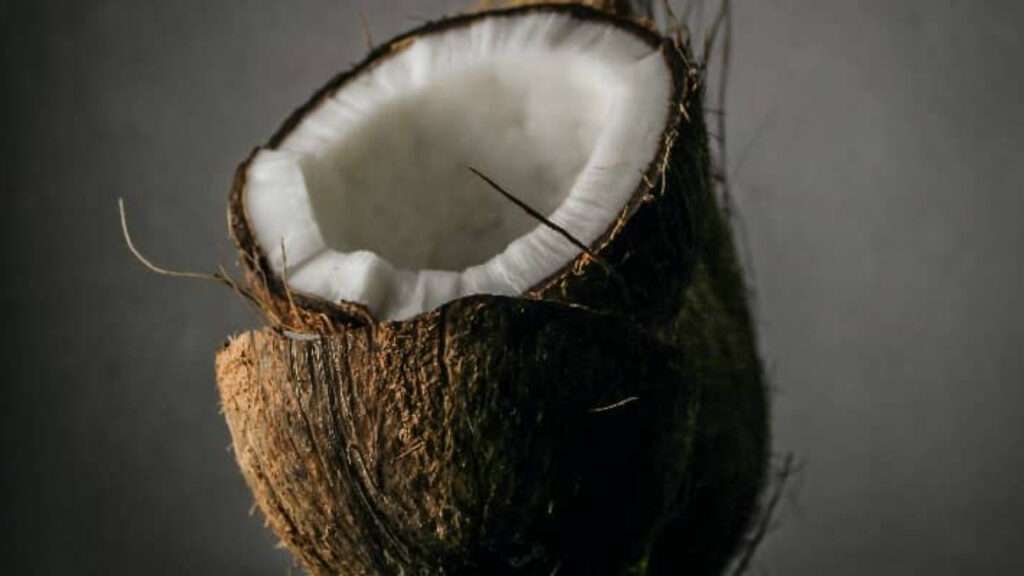
Call it a nut, or a fruit, coconut is one of the most versatile fruits nature has gifted us. Every part of this wonderful fruit is consumed by humans in some or the other form. It heals, provides nourishment, enhances health, even its shell, and fiber are used for multiple purposes.
Interesting Fact – Did you know that coconut water’s electrolyte balance is similar to human blood plasma!
It is a complete and perfect food package, as its flesh provides a high-calorie food and its water is drinkable in its natural state. The inedible fiber can be turned into a rope, brushes, mattress, and a lot more. The hard shell of coconut can be burnt to get charcoal, or used in making mosquito coils.
What is the origin of this fruit and its significance in our lives, what are the benefits of eating it, and what are the different ways of consuming it? Read on to know the answers to all of these questions.
The cultivation of coconut originated in two different places, the basins of the Indian Ocean and the Pacific Ocean. The two varieties are genetically different. Either human travels or some floated-away coconuts resulted in the emergence of mixed varieties of the two. In the Indian Ocean, coconut initially flourished in Sri Lanka, Maldives and Lakshadweep. In the Pacific Ocean, the Philippines, Malaysia, and Indonesia were the centers of cultivation.
In India, Kerala is the largest producer of coconut. In fact, the state’s name literally means ‘the land of coconut trees.’
In the Indian culture, a coconut tree is often referred to as the Kalpavriksha – the tree that grants all wishes. This connection comes from the fact that every part of the coconut tree is used in some form in India. The leaves are used for thatching, sticks for making brooms, shells for steaming food, making handicrafts or charcoal, the hemp for cleaning, making ropes, etc. and the fruit is edible in multiple forms.
Coconut is called Shriphal or the fruit of prosperity in Hindu culture. It is considered auspicious and offered during prayers to deities. In many coastal regions in India, fishermen offer coconuts to the sea Gods, before embarking on a fishing expedition and pray for a good catch.
Not just coconut fruit but the whole coconut tree finds its usefulness in human civilization.
This is the first part of the tree which gets our attention, as it is a great food:
Botanically named as Cocos nucifera, the coconut palm tree has many local cultivars which are mainly categorized as tall and dwarf varieties.
The Green, Mature & Husky, and Dry coconuts are actually different developmental stages of the same fruit.
Include coconut in your daily diet and lifestyle to get the best of nature.
TAGS
Call it a nut, or a fruit, coconut is one of the most versatile fruits nature has gifted us. Every part of this wonderful fruit is consumed by humans in some or the other form. It heals, provides nourishment, enhances health, even its shell, and fiber are used for multiple purposes.
Interesting Fact – Did you know that coconut water’s electrolyte balance is similar to human blood plasma!
It is a complete and perfect food package, as its flesh provides a high-calorie food and its water is drinkable in its natural state. The inedible fiber can be turned into a rope, brushes, mattress, and a lot more. The hard shell of coconut can be burnt to get charcoal, or used in making mosquito coils.
What is the origin of this fruit and its significance in our lives, what are the benefits of eating it, and what are the different ways of consuming it? Read on to know the answers to all of these questions.
The cultivation of coconut originated in two different places, the basins of the Indian Ocean and the Pacific Ocean. The two varieties are genetically different. Either human travels or some floated-away coconuts resulted in the emergence of mixed varieties of the two. In the Indian Ocean, coconut initially flourished in Sri Lanka, Maldives and Lakshadweep. In the Pacific Ocean, the Philippines, Malaysia, and Indonesia were the centers of cultivation.
In India, Kerala is the largest producer of coconut. In fact, the state’s name literally means ‘the land of coconut trees.’
In the Indian culture, a coconut tree is often referred to as the Kalpavriksha – the tree that grants all wishes. This connection comes from the fact that every part of the coconut tree is used in some form in India. The leaves are used for thatching, sticks for making brooms, shells for steaming food, making handicrafts or charcoal, the hemp for cleaning, making ropes, etc. and the fruit is edible in multiple forms.
Coconut is called Shriphal or the fruit of prosperity in Hindu culture. It is considered auspicious and offered during prayers to deities. In many coastal regions in India, fishermen offer coconuts to the sea Gods, before embarking on a fishing expedition and pray for a good catch.
Not just coconut fruit but the whole coconut tree finds its usefulness in human civilization.
This is the first part of the tree which gets our attention, as it is a great food:
Botanically named as Cocos nucifera, the coconut palm tree has many local cultivars which are mainly categorized as tall and dwarf varieties.
The Green, Mature & Husky, and Dry coconuts are actually different developmental stages of the same fruit.
Include coconut in your daily diet and lifestyle to get the best of nature.
TAGS
Added to cart
Check out our shop to see what's available
Loading coupons...