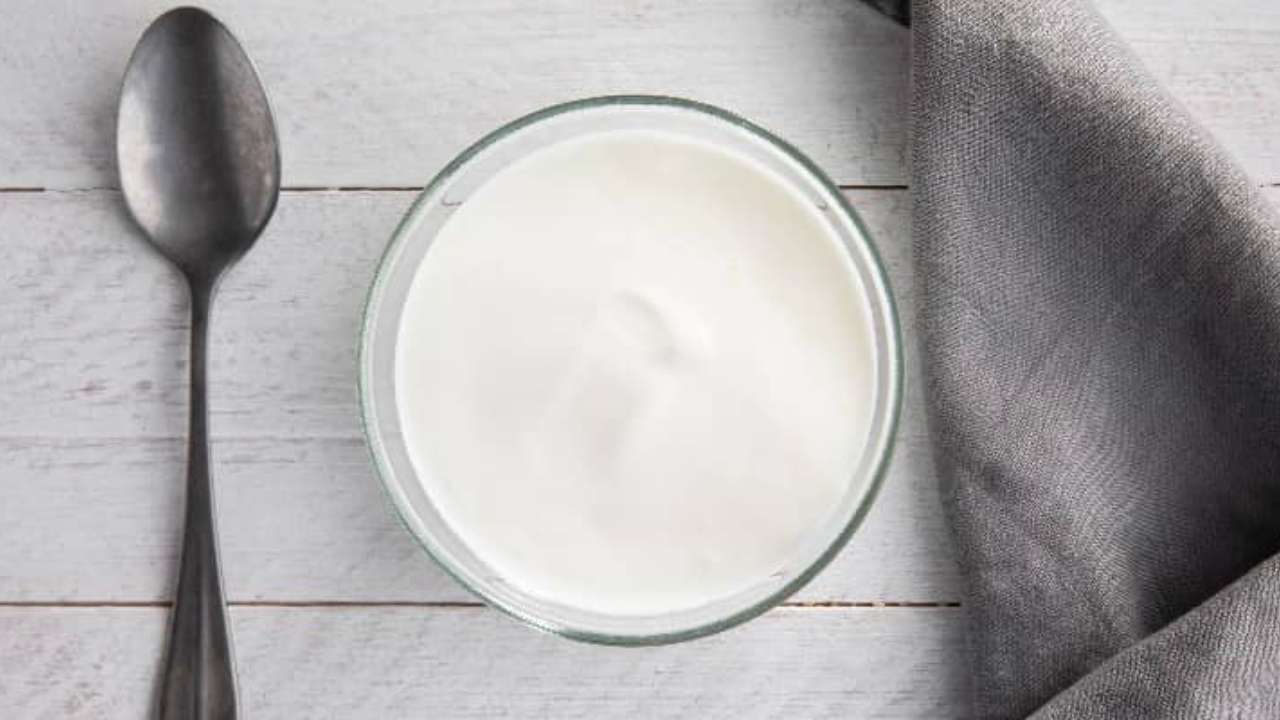

Most of us have grown up consuming dairy in some form or the other believing that dairy is needed for calcium, protein, or other nutrients. However, dairy is hard on digestion and causes inflammation and mucus build-up, especially in today’s times when it is replete of antibiotics and hormones. In our Health Journey sections, you can read how many found relief from skin issues, hormonal problems, asthma, etc by staying away from dairy. This article will help you take a re-look at the dairy.
Is dairy a key part of your diet? Answer the questions below & see if you really understand what you are consuming.
Do you know that humans are the only species on earth to drink the milk of another species?
Do you know humans are the only mammal on earth that continues to drink milk even after they have been weaned?
Do you know the enzymes necessary to break down & digest milk (called rennin & lactase) are gone by the age of 3 in most humans?
Do you know milk contains a high amount of an element called casein, which is required for a calf’s growth into a cow & a calf has a 4 stomach apparatus to break this milk down, but it is difficult for the human body to utilize this milk as our growth need & digestive system is completely different?
Do you know some of the casein may stick to the lining of your stomach & hinder the absorption of nutrients from the food you eat?
Do you know the body spends a lot of energy in dealing with the milk you drink, resulting in you feeling lethargic?
Do you know a lot of toxic mucus is created when your body is trying hard to digest milk? And this toxic mucus accumulates over a period of time & results in illnesses?
Do you know milk contains antibiotics & hormones fed to the cow to boost its milk production, which are harmful to your health?
Fear SHOULD NOT be a dominant driver to pick up or drop a food item, however, it’s important to explore all facets of an argument before you make an informed choice. “Milk – A silent killer’ by Dr. N K Sharma is a good read in this direction.
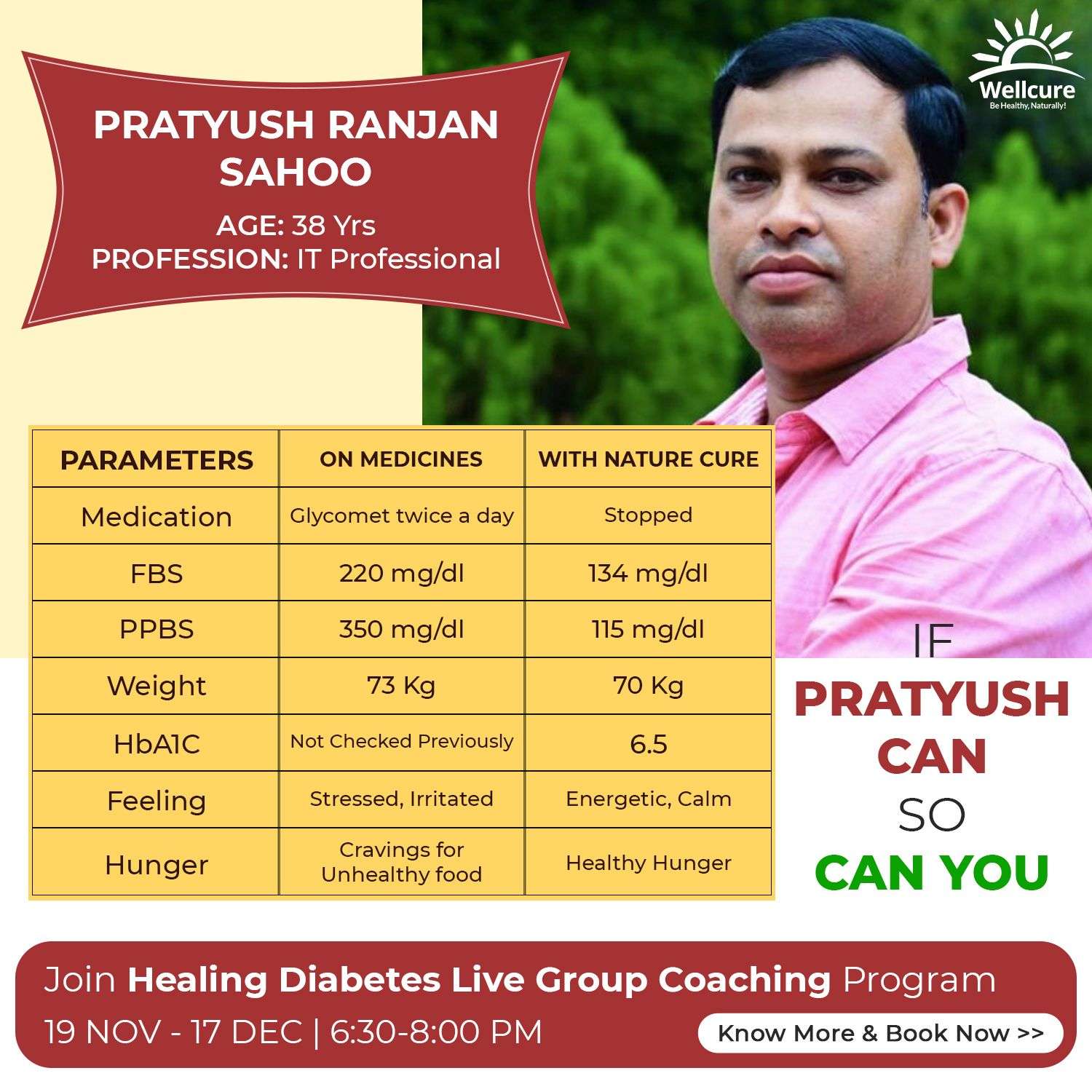
Please visit our Health Journeys section to read stories of people who discontinued dairy products & experienced considerable change in their health profile.
Your benchmark to choose foods should always be to choose ones that nature has designed for you. Make intelligent choices for a healthier living for you & your family.
We have all been conditioned to believe that milk is very important for our health because it is a good source of calcium. It is a norm to have at least 1-2 glasses of milk every day. Actually, calcium is a mineral-like magnesium or potassium and it comes from the earth. No animal makes calcium directly, the real source is the Earth. So, contrary to what we all believe, there are many sources of good quality calcium available. Here’s a list:
Green leafy vegetables
Other vegetables such as cabbage, cauliflower, pumpkin, turnip (shalgam), okra (bhindi), radish (mooli), tomatoes.
Fruits, specifically dry fruits such as raisins, dates, figs, and prunes.
Ragi
Nuts such as almonds, and walnuts.
Seeds such as sesame (til), sunflower, and watermelon.
Hence, a diet rich in natural foods such as fruits, dry fruits, vegetables, nuts & seeds is likely to give us the calcium our body needs. We should stop viewing food in a fragmented way of calcium, iron, fat, protein, etc. We should change our food prism to whole, natural, local, seasonal, fresh & add variety in our diet. That will ensure we get all the required nutrients in abundance.
Don’t fret over calcium…eat a variety of fruits, dry fruits, vegetables, nuts & seeds every day, you will get what you need.
Sesame seeds are known to be very rich in calcium. Dry roast them & store them in a glass bottle in your kitchen. Sprinkle these on your vegetable salads, soups, sabzi & curries on an everyday basis. Sesame also goes very well with healthful desserts – try sesame peanut laddoos.
Ragi is a millet grain, rich in calcium & iron, & is alkaline in nature. Other grains such as wheat and rice are acidic in nature. Hence, add ragi to your diet in the form of rotis & dosas. Ragi porridge is a great first food for babies. Ragi can also be used to make desserts such as ragi laddoos.
Adequate Vitamin D from natural sunshine is a must for the proper assimilation of calcium from foods, hence soak the sun.
Explore alternatives to animal milk, try milk of nuts such as almond milk, coconut milk, cashew nut milk, peanut milk. You can also make curd & butter using these nuts & nut milks.
We can help you switch to a Dairy-Free diet and teach you to make plant-based milks, curds, cheese, chhaas, butter & much more at our e-learning course ‘Everyday Dairy-Free Delights’, by Vinita Contractor – A Certified Plant-Based Holistic Nutritionist.
Many parents are worried that without milk, the protein needed for growth will not be available any longer.
Nature has made provision for exactly the right amount of protein availability in the milk of its own species that is appropriate for the level of growth of that particular species.
Dairy has a higher level of protein than human milk(almost 3 times) because the rate of growth of a calf to a cow is very fast as compared to a human baby. A baby takes 18 years to grow into a mature adult.
The highest rate of growth of a human baby is in the first three months of its life and the protein in human milk is more than enough for that even though it is less compared to cow’s milk. Later on, the amount of protein needed for growth reduces.
Every plant food contains proteins. Nuts and seeds, green leafy vegetables etc can supply all the needed proteins for healthy growth. As long as the child is fed a varied whole food plant-based diet, there is no need to worry.
Make an informed choice. Historically, we have been made to believe milk is good for us. So spend some time evaluating the other facet of the coin. We have mentioned a few resources in Recommended read/watch below that you could start with. You should also visit our Health Journeys section to read stories of people who discontinued dairy products & experienced considerable change in their health profile.
‘Everyday Dairy-Free Delights’, an e-learning course by Vinita Contractor – A Certified Plant-Based Holistic Nutritionist.
Recommended read/watch:
“Milk – A silent killer’ by Dr N K Sharma
The Scary Truth About Dairy! By Dr Michael Klaper – https://www.youtube.com/watch?v=B4ExeAFDJC4
Who moved my milk? – https://www.livemint.com/Leisure/TrWZ2oBTKgc9VTgzS2bpAK/Who-moved-my-milk.html
TAGS
Loading coupons...