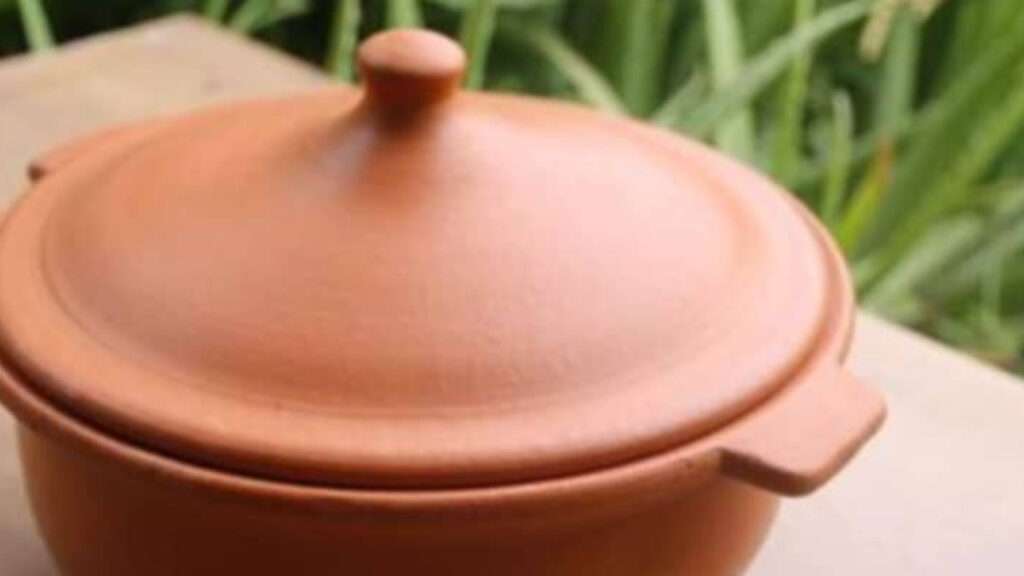
Have you ever tasted a dish cooked in a claypot? Doesn’t it taste better than a dish that is cooked in a metallic pot? The reason behind it is that the porous nature of earthen pots enables a better circulation of heat and moisture while cooking. In return, flavors and nutrients of the food are retained better. And hence, the taste.
However, do you know the right way to cook while using a clay pot or how to clean it, how to keep it seasoned etc.? We have brought this comprehensive guide to you about cooking in earthenware. Read on to learn more about one of the healthiest ways to cook.
There are numerous benefits of cooking in earthenware. After all, it has been the most natural way to cook since ages. Many people in villages still use earthen pots for daily cooking. Their adoption in Indian cities is now increasing, as followers of natural methods are becoming aware about their benefits:
Metallic vessels, especially the non-stick ones used in modern times contain toxins like Perfluorooctanoic Acid (PFOA), Lead, Cadmium, Arsenic, Feldspar, Petalite (an ore of lithium) etc. Aluminum vessels also leech toxins at high temperatures. In the presence of heat, these chemicals react and get assimilated with food, eventually entering into our digestive systems. From there, they get absorbed by the tissues of our body. Clay is a composition of essential nutrients like calcium, magnesium, phosphorus, potassium etc. These elements are bound together in a unique bond and get absorbed in food while cooking. This is a characteristic that is unique to clay pots, just like it’s elasticity – the ability to transform into a hard and durable substance when heated on fire. All of this makes clay by far the best raw material for making cookware.
The heat absorbed into the walls of metal or ceramic pots is damaging, which, by the end of the cooking process alters many nutrients. Nine out of the thirteen essential nutrients and minerals are water-soluble. They are inevitably lost with steam that’s always escaping the pot. After the cooking process foods have excess starch and carbohydrates. However, cooking in clay pots enriches the food by adding many vital nutrients like calcium, phosphorus, iron, magnesium and sulfur to it. Clay is alkaline in nature and thus, neutralizes any acidity present in the food, making it easier to digest.
The heat retained in a pure-clay pot is significantly higher than in any other cookware. This allows the food to cook better, uses less fuel, and saves energy. It also keeps the food hot for a longer duration. Clay pots are able to absorb moisture due to their porous nature, letting heat circulate slowly through the food while being cooked. Hence, making it aromatic, retaining nutrients and adding some essential minerals.
As the food is cooked slowly in a clay pot and natural oils of food are retained in it. Therefore, cooking can be done using much less oil as compared to cooking in metallic pots. That’s why food cooked in clay pots is much lower in added fat content.
Hope this comprehensive guide has given you enough information to get you started on using earthenware for daily cooking. With a plethora of benefits, clay pot cooking is definitely one of the best ways to cook food.
References:
TAGS
Have you ever tasted a dish cooked in a claypot? Doesn’t it taste better than a dish that is cooked in a metallic pot? The reason behind it is that the porous nature of earthen pots enables a better circulation of heat and moisture while cooking. In return, flavors and nutrients of the food are retained better. And hence, the taste.
However, do you know the right way to cook while using a clay pot or how to clean it, how to keep it seasoned etc.? We have brought this comprehensive guide to you about cooking in earthenware. Read on to learn more about one of the healthiest ways to cook.
There are numerous benefits of cooking in earthenware. After all, it has been the most natural way to cook since ages. Many people in villages still use earthen pots for daily cooking. Their adoption in Indian cities is now increasing, as followers of natural methods are becoming aware about their benefits:
Metallic vessels, especially the non-stick ones used in modern times contain toxins like Perfluorooctanoic Acid (PFOA), Lead, Cadmium, Arsenic, Feldspar, Petalite (an ore of lithium) etc. Aluminum vessels also leech toxins at high temperatures. In the presence of heat, these chemicals react and get assimilated with food, eventually entering into our digestive systems. From there, they get absorbed by the tissues of our body. Clay is a composition of essential nutrients like calcium, magnesium, phosphorus, potassium etc. These elements are bound together in a unique bond and get absorbed in food while cooking. This is a characteristic that is unique to clay pots, just like it’s elasticity – the ability to transform into a hard and durable substance when heated on fire. All of this makes clay by far the best raw material for making cookware.
The heat absorbed into the walls of metal or ceramic pots is damaging, which, by the end of the cooking process alters many nutrients. Nine out of the thirteen essential nutrients and minerals are water-soluble. They are inevitably lost with steam that’s always escaping the pot. After the cooking process foods have excess starch and carbohydrates. However, cooking in clay pots enriches the food by adding many vital nutrients like calcium, phosphorus, iron, magnesium and sulfur to it. Clay is alkaline in nature and thus, neutralizes any acidity present in the food, making it easier to digest.
The heat retained in a pure-clay pot is significantly higher than in any other cookware. This allows the food to cook better, uses less fuel, and saves energy. It also keeps the food hot for a longer duration. Clay pots are able to absorb moisture due to their porous nature, letting heat circulate slowly through the food while being cooked. Hence, making it aromatic, retaining nutrients and adding some essential minerals.
As the food is cooked slowly in a clay pot and natural oils of food are retained in it. Therefore, cooking can be done using much less oil as compared to cooking in metallic pots. That’s why food cooked in clay pots is much lower in added fat content.
Hope this comprehensive guide has given you enough information to get you started on using earthenware for daily cooking. With a plethora of benefits, clay pot cooking is definitely one of the best ways to cook food.
References:
TAGS
Added to cart
Check out our shop to see what's available
Loading coupons...